
Project and Process : Driving Operational Excellence Through Strategic Leadership
Project and Process: Becoming part of a globally respected airline means joining an organization that represents trust, innovation, and national pride. A career with Air Canada offers professionals the opportunity to contribute to a dynamic aviation environment that values efficiency, collaboration, and continuous growth. The role of Manager, Project and Process Improvement is designed for individuals who are passionate about transforming business operations, leading meaningful change, and delivering long-term value through structured improvement initiatives.
Role Overview and Strategic Purpose
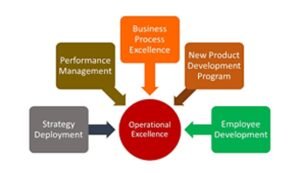
The Manager, Project and Process Improvement plays a critical role in strengthening organizational performance by leading cross-functional initiatives. This position blends structured project management practices with proven process improvement methodologies to ensure initiatives are executed successfully. The primary objective of the role is to enhance operational efficiency, streamline workflows, and support business transformation while aligning projects with strategic goals and stakeholder expectations.
Leadership in Project Execution
A core responsibility of this role is leading projects from initiation to completion using a disciplined, gated approach. This includes defining scope, managing timelines, allocating resources, and ensuring delivery within approved budgets. The manager is expected to provide clear direction, maintain accountability, and ensure that all project milestones are achieved while maintaining high quality standards throughout the project lifecycle.
Process Improvement and Operational Efficiency
The position requires deep expertise in process design and optimization. By analyzing existing workflows, the manager identifies inefficiencies, bottlenecks, and gaps that limit performance. Using continuous improvement approaches such as Lean methodologies and Agile frameworks, the role focuses on designing sustainable solutions that improve productivity, reduce waste, and enhance overall business outcomes.
Stakeholder Collaboration and Communication
Effective collaboration is essential to success in this role. The manager works closely with department leaders and cross-functional teams to gather business requirements, establish baselines, and align improvement initiatives with operational needs. Clear and consistent communication ensures that stakeholders remain informed about project progress, risks, and expected benefits, fostering trust and engagement across the organization.
Risk Management and Decision Making
Managing risk is a vital component of project leadership. The role involves proactively identifying potential risks and issues, implementing mitigation strategies, and escalating concerns when necessary. Strong decision-making skills are required to resolve challenges efficiently while maintaining momentum and protecting project objectives.
Business Case Development and Value Measurement
To support informed decision making, the manager is responsible for quantifying benefits and developing robust business cases. This includes estimating the cost of change, calculating return on investment, and presenting recommendations to senior leadership. Data-driven analysis ensures that improvement initiatives are aligned with financial and strategic priorities.
Change Management and Cultural Adoption
Successful transformation depends on effective change management. The role involves developing and deploying strategies that support adoption and sustainability of new processes and systems. By facilitating workshops, training sessions, and knowledge-sharing forums, the manager promotes a culture of continuous improvement and empowers teams to embrace new ways of working.
Performance Measurement and Governance
Establishing and tracking performance metrics is essential for long-term success. The manager supports business units in defining key performance indicators that measure the effectiveness and sustainability of process changes. Ongoing monitoring and reporting help ensure that improvements deliver measurable results and remain aligned with compliance and governance requirements.
Advisory, Mentorship, and Best Practices
Beyond project delivery, the role serves as a trusted advisor to business leaders on transformation strategies and industry best practices. Mentoring team members, sharing lessons learned, and encouraging frontline innovation are key aspects of building organizational capability. The manager also collaborates with process and compliance teams to document workflows and maintain accurate process maps and control documentation.
Qualifications and Professional Experience
The ideal candidate holds a bachelor’s degree in business administration, industrial engineering, operations management, or a related field, with a master’s degree considered an advantage. A minimum of five years of experience in project management or process improvement roles is required, along with a proven ability to lead cross-functional initiatives and manage change effectively.
Skills, Tools, and Work Environment
Success in this role requires strong analytical thinking, problem-solving ability, and a proactive mindset. Excellent communication and interpersonal skills support collaboration across diverse teams. Proficiency with project management platforms, process mapping tools, enterprise systems, and performance metrics is essential, as is the ability to manage multiple priorities in a fast-paced environment. Flexibility to travel and a strong sense of accountability further contribute to effectiveness in this position.
Commitment to Inclusion and Equal Opportunity
The organization is deeply committed to fostering an inclusive and respectful workplace. Diversity is recognized as a key driver of innovation and success, and applications are welcomed from individuals of all backgrounds who meet the role requirements. Equal opportunity principles guide all hiring decisions, ensuring a fair and supportive employment process.