
Engineering: Building a Strong Technical Leadership Profile in Modern Software
Engineering: In today’s competitive technology landscape, companies are seeking experienced software engineers who can go beyond writing code and take ownership of systems, teams, and long-term technical direction. A modern job role in software engineering is no longer limited to development alone; it combines deep technical expertise, leadership capability, and the ability to work with data-driven and real-time systems. This content explains the expectations, responsibilities, and skill requirements for such a senior-level software engineering position in a clear and professional manner.
Overview of the Role
A senior software engineering role typically demands extensive hands-on experience along with proven leadership skills. Professionals in this position are expected to design, build, and maintain scalable software solutions while also guiding junior engineers and contributing to architectural decisions. The role often sits at the intersection of development, data analysis, and system reliability, making it critical to business success.
Experience and Professional Background
Candidates for this role are generally expected to have a minimum of eight years of experience in software engineering. This experience should include exposure to real-world production systems, complex codebases, and cross-functional collaboration. In addition to overall experience, at least two years in a technical leadership role is essential. Leadership experience demonstrates the ability to mentor team members, review code effectively, manage technical risks, and align engineering efforts with business goals.
Core Programming Expertise
Strong programming skills form the foundation of this position. Python is often a key requirement due to its versatility and widespread adoption in backend services, data processing, and machine learning workflows. Engineers should be comfortable writing clean, maintainable, and testable code using Python. Experience with testing frameworks such as Pytest is valuable, as it reflects an understanding of software quality, reliability, and automated testing practices.
Data Handling and Analytical Skills
Modern software systems increasingly rely on data-driven decision-making. Familiarity with data manipulation libraries such as Pandas allows engineers to process, analyze, and transform large datasets efficiently. These skills are especially important when building applications that depend on analytics, reporting, or predictive insights. A strong understanding of data structures and data pipelines further enhances an engineer’s ability to deliver robust solutions.
Machine Learning and Predictive Modeling
Experience with machine learning libraries and frameworks is a significant advantage in senior engineering roles. Tools such as Prophet, XGBoost, and TensorFlow are commonly used for forecasting, classification, and pattern recognition. Engineers are not necessarily required to be data scientists, but they should understand how these models work, how to integrate them into production systems, and how to evaluate their performance. This knowledge helps bridge the gap between research and real-world applications.
Streaming and Real-Time Systems
As businesses move toward real-time data processing, experience with streaming frameworks has become increasingly important. Technologies like Kafka enable systems to handle continuous streams of data with high throughput and low latency. Engineers working with such frameworks should understand event-driven architectures, message queues, and fault-tolerant system design. This expertise is crucial for building scalable platforms that support live analytics, monitoring, and user interactions.
Technical Leadership Responsibilities
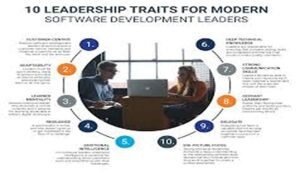
Beyond technical skills, leadership plays a central role in this position. A technical leader is responsible for setting coding standards, conducting design reviews, and ensuring best practices are followed across the team. They collaborate closely with product managers, stakeholders, and other engineering teams to translate requirements into technical solutions. Effective communication, decision-making, and problem-solving abilities are key attributes of successful leaders.
Collaboration and Continuous Improvement
Senior engineers are expected to foster a culture of collaboration and continuous learning. This includes supporting peer reviews, sharing knowledge, and staying updated with emerging technologies. By encouraging innovation and improvement, technical leaders help teams adapt to changing business needs and technological advancements.
Long-Term Career Value
This role offers significant long-term career value for professionals who want to influence both technology and people. It provides opportunities to work on complex systems, adopt advanced tools, and shape the technical direction of products. Engineers who excel in such positions often progress into roles such as engineering manager, architect, or technology strategist.